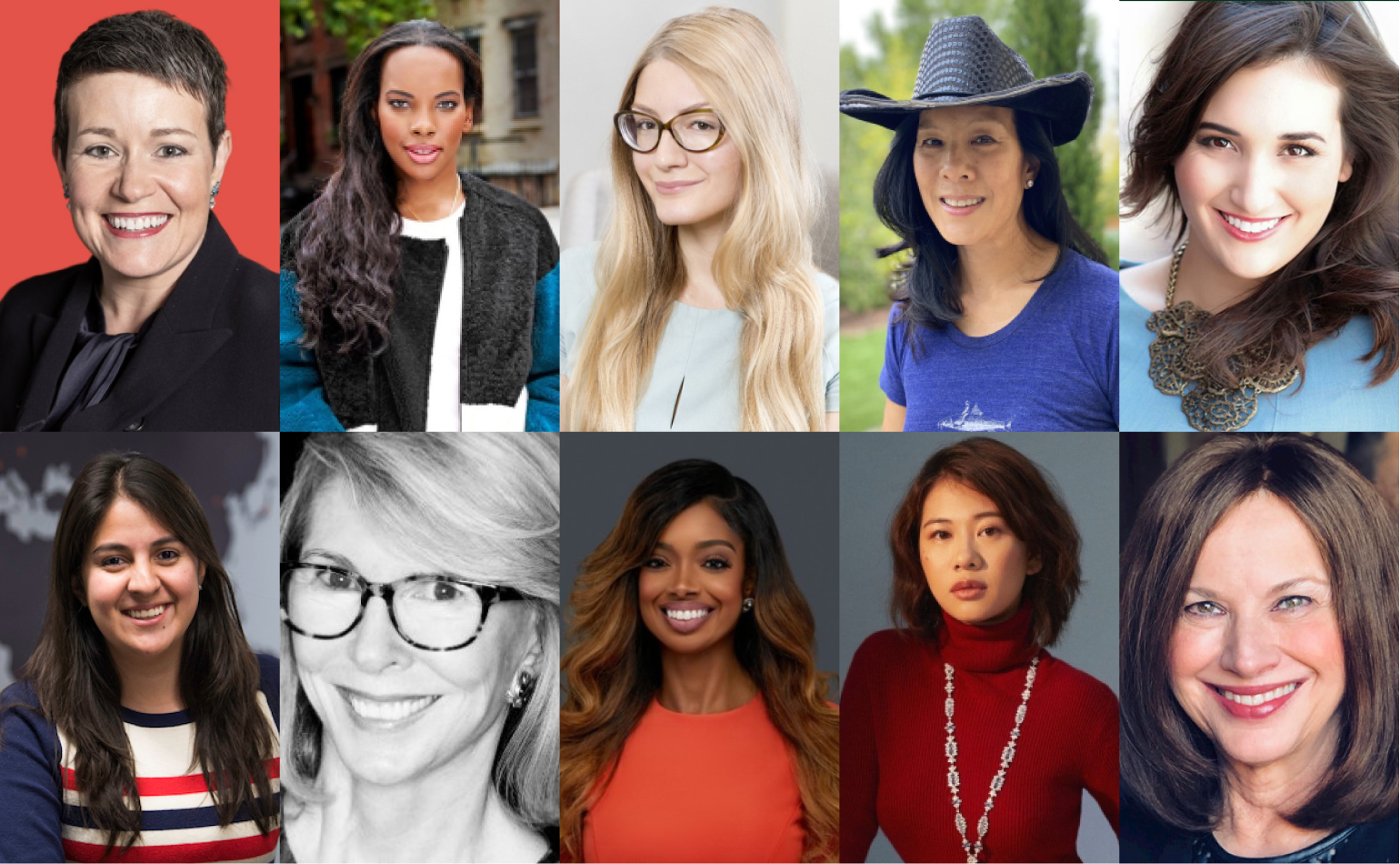
For decades, Silicon Valley operated on a "Pattern Matching" system. Venture Capitalists—mostly men in fleece vests—funded founders who looked like them: young, male, and wearing hoodies. This echo chamber missed trillions of dollars in opportunity.
But in 2025, the checkbook is changing hands.
A new wave of Female Venture Capitalists (VCs) has risen to the top of the "Midas List." They aren't just participating in deal flow; they are dominating it. From early-stage Angel Investors who spot genius before anyone else, to Growth Equity titans writing $100 million checks, these women are the kingmakers of the modern economy.
We call this "Shark Tank Style"—but with a sharper edge. These women don't just invest capital; they invest conviction. They are funding the "Unicorns" (startups valued over $1 billion) that solve real-world problems—from women's health (FemTech) to sustainable energy.
This guide profiles 10 Powerhouse Female VCs you need to know. Whether you are an entrepreneur seeking funding or an investor tracking the "Smart Money," these are the names that move markets.
Why Venture Capital is the Ultimate "High-RPM" Niche
For content creators, discussing Venture Capital attracts a premium audience:
-
High-Ticket Keywords: Terms like "Series A Funding", "Business Line of Credit", and "Startup Valuation" command huge ad rates.
-
B2B Audience: Readers are often founders, CEOs, and accredited investors with high net worth.
-
Affiliate Potential: Opportunities to promote business banking (Brex, Mercury), legal services, and SaaS tools used by startups.
The Top 10 Female Venture Capitalists of 2025
1. Mary Meeker: The Queen of the Internet
-
Firm: BOND Capital
-
Famous Bets: Facebook, Spotify, Airbnb, Uber, Instacart
-
Superpower: Data-Driven Foresight
If there is a Mount Rushmore of Venture Capital, Mary Meeker is on it. Formerly of Kleiner Perkins, she founded BOND Capital to focus on high-growth tech companies. She is famous for her annual "Internet Trends Report," which is considered the bible of the tech industry.
Why She is a Shark: Meeker spots shifts in consumer behavior years before they become mainstream. She saw the shift to mobile before Apple launched the App Store. When Mary Meeker writes a check, it’s not just money; it’s anointing a company as a future winner. The Strategy: Macro-Trend Investing. She identifies a massive tidal wave (like AI or Mobile) and invests in the biggest surfer on that wave.
2. Aileen Lee: The Unicorn Hunter
-
Firm: Cowboy Ventures
-
Famous Bets: Dollar Shave Club, Bloom Energy, Guild Education
-
Superpower: Coining the term "Unicorn"
Aileen Lee literally invented the language of Silicon Valley. She wrote the viral article that coined the term "Unicorn" to describe billion-dollar startups. As the founder of Cowboy Ventures, she focuses on seed-stage companies.
Why She is a Shark: She doesn't chase hype. Lee looks for "Life-Simplifying" tech. She funds boring but essential software that makes work faster or life easier. She is also a champion for diversity, co-founding "All Raise" to get more women into VC. The Strategy: Efficiency over Hype. She prefers unsexy businesses with strong unit economics over flashy ideas with no revenue.
3. Kirsten Green: The Retail Visionary
-
Firm: Forerunner Ventures
-
Famous Bets: Glossier, Warby Parker, Dollar Shave Club, Chime
-
Superpower: Understanding the Modern Consumer
While male VCs were ignoring Direct-to-Consumer (D2C) brands, Kirsten Green was betting on them. She realized that the department store was dead and that brands needed to talk directly to buyers.
Why She is a Shark: She has the "Golden Touch" for branding. Almost every major e-commerce success story of the last decade has Forerunner Ventures on its cap table. She understands that in the digital age, Brand is the only moat. The Strategy: Storytelling. She invests in founders who can build a cult-like following (like Emily Weiss of Glossier).
4. Arlan Hamilton: The Underdog Champion
-
Firm: Backstage Capital
-
Famous Bets: Calendly (early access), Carrot
-
Superpower: Investing in the "Underestimated"
Arlan Hamilton's story is legendary. She built Backstage Capital while homeless, sleeping on the floor of the San Francisco airport. Her thesis? Invest in founders who are women, people of color, and LGBTQ+—groups that traditional VCs ignored.
Why She is a Shark: She proved that diversity is an arbitrage opportunity. By looking where others weren't, she found undervalued companies. She has invested in over 200 companies and is a master of resourcefulness. The Strategy: Grit Capital. She bets on founders who have struggled, because she knows they won't quit when things get hard.
5. Sarah Tavel: The Benchmark Partner
-
Firm: Benchmark
-
Famous Bets: Pinterest, Chainalysis, Hipcamp
-
Superpower: The "Hierarchy of Engagement"
Becoming the first female General Partner at Benchmark (the firm that backed eBay and Uber) is a big deal. Sarah Tavel is a product obsessionist. She wrote the famous "Hierarchy of Engagement" theory, which explains how apps grow from a utility to a habit.
Why She is a Shark: She digs deep into product metrics. She doesn't care about your sales pitch; she cares about your user retention cohorts. If your users aren't addicted to your product, she won't invest. The Strategy: Product-Led Growth. She funds companies that grow organically because the product is so good users tell their friends.
6. Ann Miura-Ko: The "Thunder Lizard" Hunter
-
Firm: Floodgate
-
Famous Bets: Lyft, Twitch, TaskRabbit
-
Superpower: Spotting Network Effects
Ann Miura-Ko is a mathematician at heart. A co-founding partner at Floodgate, she was one of the first investors in Lyft when it was just a ride-sharing idea called Zimride. She looks for "Thunder Lizards"—startups that inevitably dominate their ecosystem.
Why She is a Shark: She is technical and rigorous. She teaches at Stanford University and brings an academic rigor to investing. She challenges founders to prove their business model can scale exponentially, not just linearly. The Strategy: Network Effects. She invests in marketplaces where every new user makes the product better for everyone else (like Twitch or Lyft).
7. Theresia Gouw: The Cybersecurity Guardian
-
Firm: Acrew Capital
-
Famous Bets: Trulia, Imperva, Forescout
-
Superpower: Trust & Security
Theresia Gouw is one of the richest female VCs in America. Formerly of Accel, she co-founded Acrew Capital. She realized early on that as the world went digital, security would be paramount.
Why She is a Shark: She dominates the "defensive" tech stack. While others fund games, she funds the firewalls and privacy tools that protect the games. It’s a high-RPM, high-demand sector that never goes out of style. The Strategy: The "Pick and Shovel" Play. Invest in the infrastructure that every other company needs to survive.
8. Jess Lee: The Sequoia Star
-
Firm: Sequoia Capital
-
Famous Bets: Polyvore (Founder), Maven
-
Superpower: From Founder to Funder
Jess Lee was a fan-girl of the fashion site Polyvore who emailed the CEO with so many complaints and suggestions that he hired her. She eventually became CEO, sold it to Yahoo, and then became the first female partner at Sequoia Capital (the most prestigious VC firm in the world) in 44 years.
Why She is a Shark: She has walked the walk. She knows how hard it is to run a company. She focuses on community-driven businesses and helps founders navigate the "Messy Middle" of scaling. The Strategy: Empathy & Community. She backs founders who are obsessed with their user base.
9. Rebecca Kaden: The Consumer Quantitative
-
Firm: Union Square Ventures (USV)
-
Famous Bets: Duolingo, Nurx, Stash
-
Superpower: Democratizing Access
Rebecca Kaden is a Managing Partner at USV, a firm known for its thesis-driven investing. Kaden focuses on broadening access to capital, knowledge, and well-being.
Why She is a Shark: She invests in things that make expensive services cheap. Duolingo made language learning free. Stash made investing accessible. She finds companies that unlock massive markets by lowering barriers to entry. The Strategy: Mass Market Disruption. If a service is currently only for the rich, she funds the company that brings it to the masses.
10. Sarah Kunst: The Connector
-
Firm: Cleo Capital
-
Famous Bets: Bumble (Advisor), Y Combinator scout
-
Superpower: Media & Marketing Savvy
Sarah Kunst has been a senior advisor to Bumble and a scout for Sequoia. She founded Cleo Capital to turn her massive network into deal flow. She is a master of media, appearing regularly on TV and print.
Why She is a Shark: She understands the intersection of celebrity, media, and tech. She knows that in 2025, distribution is everything. If you can't get attention, you can't get customers. She helps her portfolio companies get famous. The Strategy: The "Influencer" VC. Leveraging media presence to drive growth for portfolio companies.
How to Get Funded: Lessons from the Female Sharks
If you are an entrepreneur, here is what these women are looking for in your Pitch Deck:
1. The "Hair on Fire" Problem
Aileen Lee and Sarah Tavel don't want "vitamins" (nice to have); they want "painkillers" (need to have).
-
Lesson: Does your startup solve a problem that is so painful, customers are begging for a solution?
2. Unit Economics Matter (Post-2022 Reality)
The days of "growth at all costs" are over. Kirsten Green and Mary Meeker want to see a path to profitability.
-
Lesson: Show how you make money on every unit sold, not just how many users you have.
3. Diversity is a Competitive Advantage
Arlan Hamilton and Sallie Krawcheck have proven that diverse teams outperform.
-
Lesson: Build a diverse cap table and leadership team. It’s no longer just a "PR move"; it’s an ROI move.
Conclusion: The Era of the "Venture-ess"
The landscape of Venture Capital has shifted. The women profiled above are not just writing checks; they are rewriting the rules of capitalism. They are funding a future that is more inclusive, more sustainable, and infinitely more profitable.
For the investor watching from the sidelines, follow the money. When Mary Meeker publishes a report or Kirsten Green joins a board, pay attention. They are the radar for what the world will look like in five years.
For the aspiring founder, know this: The door to the boardroom is open. And the person sitting at the head of the table might just be wearing heels.
Frequently Asked Questions (FAQ)
Q: How do I invest in a VC fund? A: Typically, you need to be an "Accredited Investor" (high net worth). However, platforms like AngelList and Republic allow retail investors to participate in syndicates often led by these top VCs.
Q: What is the difference between an Angel Investor and a VC? A: An Angel Investor (like Arlan Hamilton in her early days) invests their own personal money. A Venture Capitalist (like Sarah Tavel) invests other people's money (Limited Partners) through a fund.
Q: What is "FemTech"? A: FemTech refers to software and technology addressing women's biological needs (e.g., fertility, menopause). It is a sector heavily funded by female VCs like Theresia Gouw because male investors historically overlooked it.
Q: Who is the richest female VC? A: Mary Meeker and Theresia Gouw are consistently ranked among the wealthiest due to their early bets on giants like Facebook and Trulia.
Q: Do I need a warm intro to pitch these VCs? A: It helps, but many (like Arlan Hamilton and the team at Cowboy Ventures) have open application processes or scout programs. Twitter (X) and LinkedIn are also powerful tools to engage with them directly.

